One of the most common questions people ask when they start homesteading is whether a tractor is necessary.
After spending any amount of time looking at farm photos or watching homestead videos, it can start to feel like a tractor is part of the definition. Big land, big equipment, big investment. Without one, it’s easy to wonder if you’re already behind.
The truth is much more practical.
You do not need a tractor to homestead successfully. In some situations, a tractor can be incredibly helpful. In others, it’s unnecessary, expensive, and underused. What matters most is how your land actually functions day to day and what kind of work you’re doing on a regular basis.
At Merry Meadows, we’ve learned this through experience. We manage animals, pasture, fencing, and daily farm chores without relying on a tractor. Some tasks would be faster with one. Many don’t require it at all. Understanding the difference has shaped how we grow and where we invest our time and money.
Why Acreage Alone Doesn’t Decide Whether You Need a Tractor
Acreage is usually the first thing people focus on, but it rarely tells the full story.
A small homestead can be physically demanding if everything is spread out poorly, while a larger property can be surprisingly manageable when it’s designed with efficiency in mind. Where animals are housed, how feed is stored, how fencing flows, and how often materials need to be moved all matter more than the number of acres on paper.
The table below reflects how land size typically affects workload and equipment needs on working homesteads.
| Property Size | Primary Land Use | Frequency of Heavy Labor | Tractor Usefulness |
|---|---|---|---|
| Under 2 acres | Gardens, poultry, small livestock | Rare | Minimal |
| 2–5 acres | Rotational grazing, fencing | Occasional | Helpful but optional |
| 5–15 acres | Larger herds, hauling materials | Regular | Often useful |
| 15+ acres | Pasture management, long driveways | Frequent | Commonly justified |
Even on larger properties, this doesn’t automatically mean a tractor is required. It simply means efficiency becomes more important as work scales up.
Daily Homestead Work Compared to Heavy, Infrequent Jobs
Most homestead labor is repetitive and routine. Feeding animals, checking water, cleaning shelters, and maintaining fencing happen consistently and rarely require heavy machinery.
Where tractors start to matter is with work that is physically demanding, involves large volumes of material, or happens seasonally rather than daily.
| Task | Typical Frequency | Physical Demand | Tractor Usually Needed |
|---|---|---|---|
| Feeding livestock | Daily | Moderate | No |
| Cleaning shelters | Weekly | Moderate | No |
| Fence maintenance | As needed | Low to moderate | No |
| Moving bulk gravel | Occasional | High | Sometimes |
| Clearing brush or trees | Seasonal | Very high | Yes |
| Pasture renovation | Seasonal | High | Often |
For many homesteads, tractor-level jobs happen only a few times a year. That alone doesn’t always justify ownership.
How Good Systems Often Save More Time Than Equipment
One of the most important lessons we’ve learned is that systems quietly do more work than machines.
Rotational grazing reduces pasture damage and limits hauling. Well-placed gates and lanes reduce walking and time spent moving animals. Feed storage near animal areas eliminates unnecessary lifting and transport. Smaller, manageable groups of animals make cleaning and care more efficient.
When systems improve, the need for equipment often drops dramatically.
Animals Change the Equation
The type and number of animals you keep makes a significant difference.
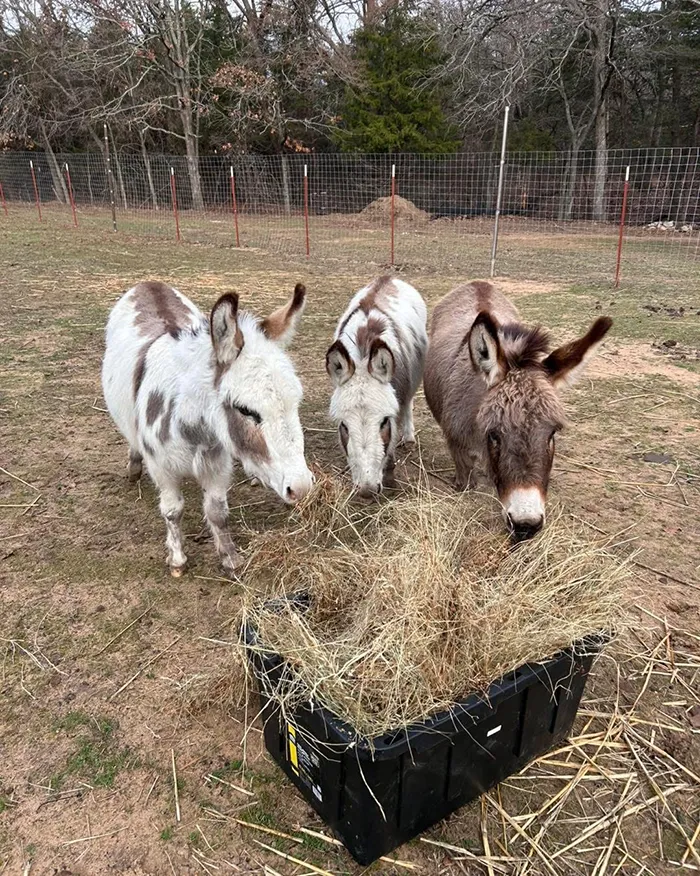
Goats, for example, thrive in rotational systems that emphasize fencing and pasture management rather than heavy equipment. Many goat-focused tasks are hands-on and benefit more from good routines than from machines. This is something we’ve covered in detail in Goat Nutrition 101: What Your Goats Need to Stay Healthy and How We Keep Our Goats Happy and Healthy at Merry Meadows.
When animal care is the primary focus of a homestead, investing in knowledge, fencing, and infrastructure often delivers better results than investing in machinery.
Renting, Borrowing, or Hiring for Big Jobs
Not every tool needs to be owned.
For large, infrequent jobs, renting equipment or hiring help can be the most practical option. This allows projects like land clearing, driveway work, or major earthmoving to be completed efficiently without committing to long-term ownership and maintenance.
This approach also provides valuable experience. Many homesteaders discover what features they actually want in a tractor only after renting or borrowing one a few times.
So, Do You Need a Tractor to Homestead?
For most homesteads, especially in the beginning, the answer is no.
A tractor becomes valuable when it solves a recurring problem that cannot reasonably be addressed through better systems, planning, or pacing. When that moment comes, the decision is usually obvious.
Until then, learning the land, refining layouts, and building sustainable routines often pays off far more than rushing into major equipment purchases.
Final Thoughts from the Farm
Homesteading isn’t about owning the biggest tools. It’s about creating a setup that works for your land, your animals, your body, and your budget.
A tractor can be an incredible asset, but it’s never the foundation of a successful homestead. Experience comes first. Systems follow. The right equipment arrives when it’s actually needed.
Frequently Asked Questions
No. Most new homesteads can operate successfully without a tractor, especially when systems are designed efficiently.
A tractor becomes useful when heavy or time-consuming tasks occur regularly and cannot be reasonably handled by hand or through layout improvements.
For infrequent or seasonal tasks, renting or hiring is often more cost-effective than ownership.
Yes, but it requires thoughtful planning, efficient systems, and realistic pacing of projects.
Fencing, shelters, water systems, and animal care infrastructure usually provide a better return early on.
