When people think about dairy goats milk soap, milk is usually the first thing that comes to mind. Milk is the obvious product, the measurable output, and often the reason people start looking into dairy goats in the first place.
But once goats become part of your daily life, it quickly becomes clear that milk is only one part of the picture. Dairy goats shape routines, influence how a farm functions, and teach lessons that don’t show up in spreadsheets or production charts. Over time, we’ve learned that each goat contributes in multiple ways, both practical and personal.
At Merry Meadows, our goats provide milk that supports our household and our soapmaking, but they also shape how we work, plan, and live on the farm. Much of what we do with them ties back to how we care for our animals overall, which we share more about in how we keep our goats happy and healthy at Merry Meadows.
Milk as a Daily Commitment, Not Just a Product
Milk is the most tangible thing a dairy goat gives, but it doesn’t exist on its own. It’s the result of consistent care, proper nutrition, and a routine that doesn’t change just because life gets busy.
Dairy goats need to be milked on a regular schedule to stay healthy and productive. That means showing up every day, often twice a day, regardless of weather, fatigue, or distractions. Over time, this routine becomes less about the milk itself and more about maintaining trust and stability for the animals.
Different breeds and individual goats produce different amounts of milk, but all of them rely on the same fundamentals: good feed, clean water, proper shelter, and attentive care. We break these basics down further in goat nutrition 101: what your goats need to stay healthy, which plays a major role in milk quality and consistency.
Different Breeds, Different Strengths
Each breed on our farm brings something slightly different to the table, both in milk production and temperament.
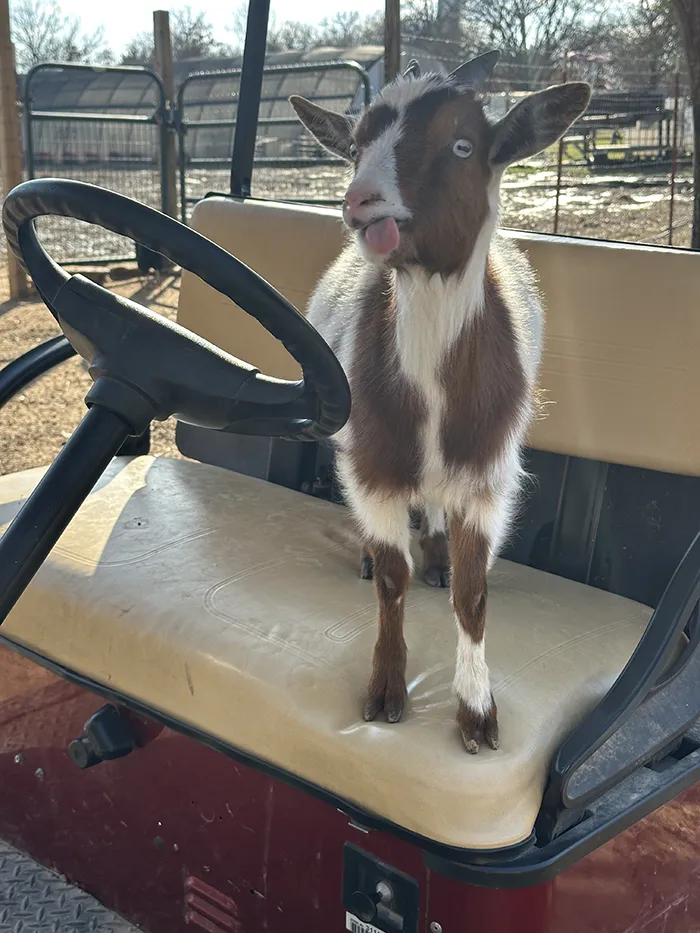
Elsa, our Nubian and Alpine mix, combines traits from both breeds. Nubians are known for richer milk with higher butterfat, while Alpines are valued for steady production and adaptability. Elsa’s milk reflects that balance, but her personality is just as notable. She is highly people-oriented and expressive, often jumping up to greet visitors without hesitation. Elsa reminds us that temperament matters just as much as production, especially on a farm that welcomes people.
Mon Ami and Ma Cheri, our twin Alpine dairy goats, are more reserved but exceptionally productive. Alpines are known for strong milk volume, and these two live up to that reputation. Their consistent output makes them reliable contributors to both daily milk needs and soapmaking. Their steady nature mirrors much of what we talk about in top goat breeds for new farmers, where reliability and temperament often matter more than maximum production.
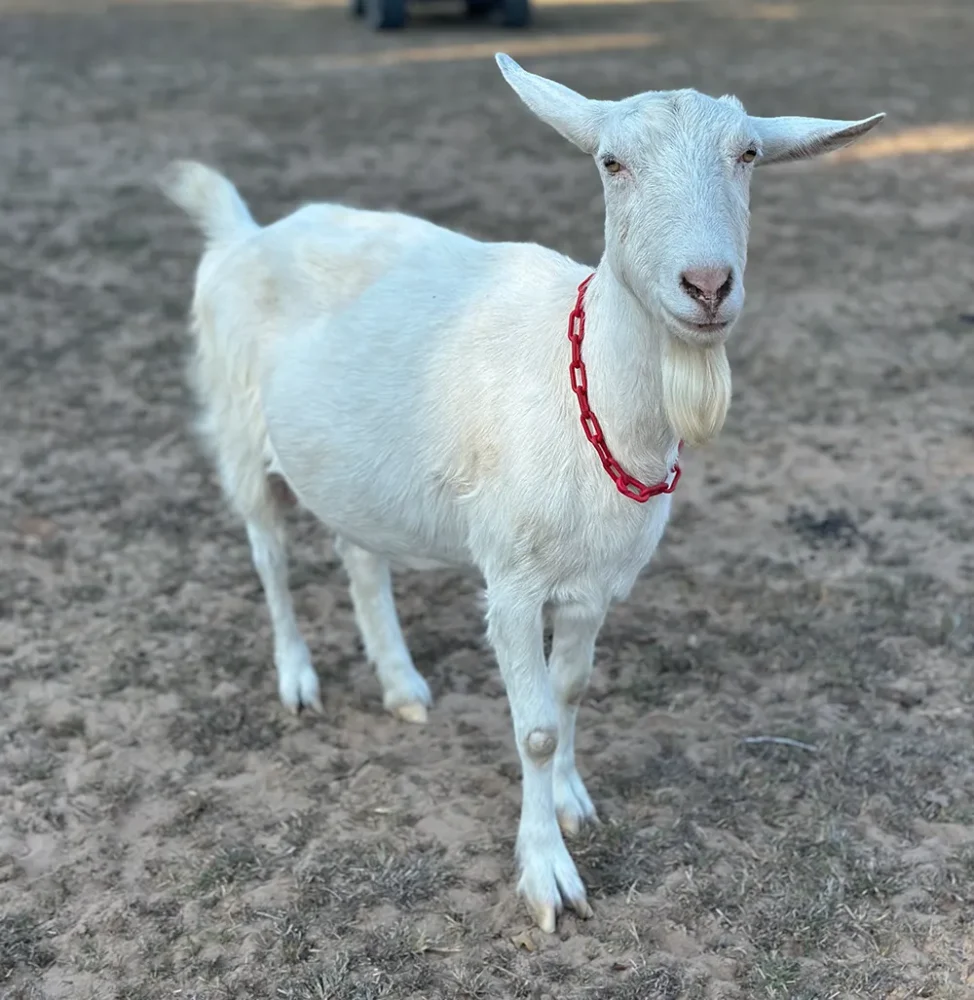
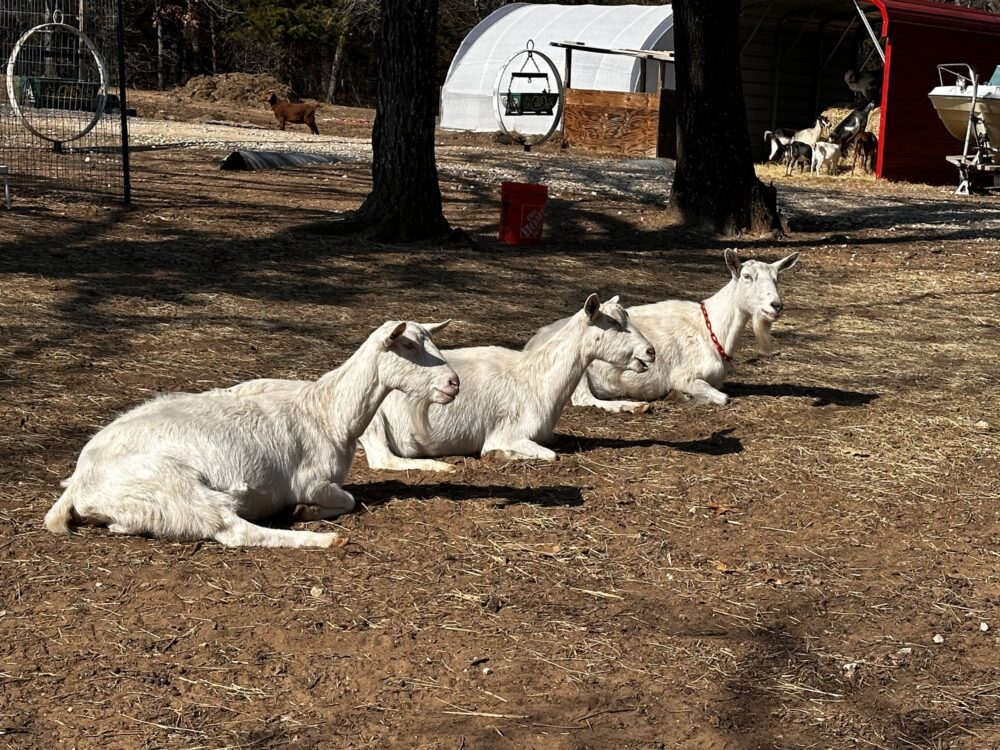
Our Saanens, Thelma, Louise, and Ethel, represent another side of dairy goat keeping. Saanens are typically larger goats with calm temperaments and strong milk production. Their milk is plentiful and mild, making it especially useful for soap. Beyond production, their calm presence brings balance to the herd, something that becomes increasingly important as herd size grows.

Turning Milk Into Soap and Shelf-Stable Products
Fresh milk is valuable, but it’s also perishable. One of the ways we make the most of what our goats give us is by turning that milk into soap.
Goat milk soap allows us to preserve the value of milk in a form that lasts months instead of days. It also allows us to share the benefits of our goats’ milk with people who may never visit the farm. From a practical standpoint, soapmaking stretches the usefulness of milk while reducing waste.
We go into detail about this process in how to create handmade soap from raw goat milk, where we explain why fresh milk, careful temperatures, and proper handling matter so much. The end result connects directly to the skin benefits we discuss in the benefits of goat milk for skin health and the benefits of goat milk soap: why it’s a must try.
Routine as the Backbone of Dairy Goat Care
Dairy goats thrive on routine. Feeding times, milking schedules, and general care all work best when they’re predictable.
This routine becomes the backbone of daily life on the farm. It forces planning and accountability, even on days when motivation is low. Over time, the structure becomes grounding rather than restrictive. It creates a rhythm that helps everything else fall into place, from animal care to product making.
Good infrastructure supports this routine as well. Thoughtful shelter placement, fencing, and storage all reduce daily effort, something we talk more about in essential farm infrastructure: shelters, fencing, and storage.
Learning to Read Animals, Not Just Follow Checklists
Books and guides are helpful, but dairy goats teach you quickly that observation matters just as much as information.
Each goat expresses stress, illness, or discomfort differently. Some changes are obvious, while others are subtle. Learning what’s normal for each goat allows you to catch issues early, often before they become serious problems. Understanding basic goat behavior and terminology helps with this, which is why we put together goat terminology 101 for new and growing goat owners.
This skill develops slowly and only through daily interaction. It’s one of the most valuable things goats teach, and it carries over into every part of farm life.
Humility and Adaptability on a Working Farm
No matter how experienced you become, goats will test your plans.
They escape fences, knock over buckets, spill milk, and occasionally ignore everything you thought you understood. Even with good management, things don’t always go according to plan. That unpredictability teaches humility and flexibility in a way few other experiences do.
This is especially true when land management is involved. Whether it’s pasture rotation or brush control, goats often remind us that working with animals is different from working with machines, something we explore more in goats for land clearing.
What Our Goats Give Us Beyond Products
Milk supports our household and our soapmaking. Soap supports the farm financially. Routine supports our daily structure. Observation improves our animal care.
Beyond that, our goats provide connection. They turn repetitive chores into relationships and transform daily work into something meaningful. They remind us that productivity and care go hand in hand, and that the most important outcomes of homesteading aren’t always measurable. At the heart of dairy goats milk soap is daily care, routine, and the relationship built between people and animals.
Final Thoughts from the Farm
Dairy goats give far more than milk. They shape how a farm operates, how time is managed, and how responsibility is understood. Each goat contributes differently, through production, personality, and presence. What each dairy goat gives us goes beyond what we can bottle or sell. Many of the most valuable lessons they offer stay right here on the farm.
